
How we help
Every walk to the mailbox leaves her out of breath
Heart failure or COPD has made the stairs, the shower and the grocery store exhausting. There are new pills, a scale in the bathroom, maybe an oxygen line across the living room. She wants to stay home. A caregiver can take on the tiring parts so her energy goes where she wants it.
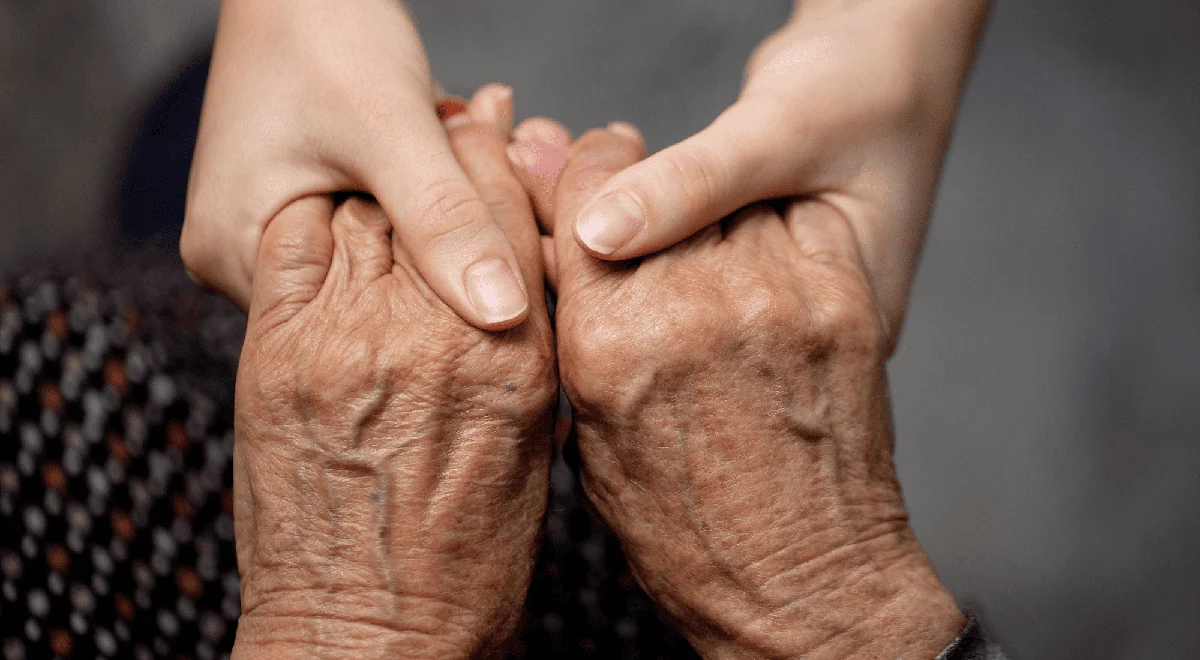

Showers with a seat and a pause between steps, so bathing does not use up the morning.
Low-salt meals and fluid limits followed exactly as the cardiologist or care team wrote them.
A morning weight written in the log, when the care team has asked for daily weights, and passed on to the family.
Laundry, vacuuming and trips up and down the stairs taken off her list, with oxygen tubing kept clear of walkways.
Company at cardiac or pulmonary rehab and doctor visits, with notes for the family.
What changes at home with heart failure or COPD?
Both conditions turn ordinary chores into hard work. Heart failure brings tiredness, shortness of breath and swelling; the National Heart, Lung, and Blood Institute (NHLBI) notes that weight gain can mean fluid is building up and that people may be asked to limit salt and liquids. COPD brings breathlessness, coughing and flare-ups, and some people need oxygen therapy or pulmonary rehabilitation. Good days and bad days can be very different, and a bad day often starts with a shower that took everything she had.
Families tend to notice the workarounds first: sleeping in the recliner, skipping the upstairs bathroom, groceries delivered but not put away, a laundry basket that stays at the bottom of the stairs.
How a caregiver helps day to day
- Saving energy. Setting out clothes so she can dress sitting down, using a shower chair, pausing between steps, and taking over the chores that leave her winded. See personal care and Light Housekeeping.
- Meals that follow the plan. If the care team set a sodium or fluid limit, we shop and cook to it, read labels on soups and lunch meats, and keep the day's fluids in a log if the family asks. See Meal Preparation.
- Daily weights and notes. NHLBI advises asking the provider how often to check weight and when to report changes. If the care team asked for a morning weight, the caregiver reminds her, writes the number down and tells the family about changes on the list the doctor gave you.
- Oxygen in the house. Setting up or adjusting oxygen belongs to the supplier and the medical team, not a non-medical caregiver. Caregivers keep tubing out of walkways, keep the concentrator where it belongs, and follow the oxygen supplier's safety rules about keeping smoking and open flames away from the equipment.
- Cleaner air. NHLBI suggests staying away from lung irritants such as chemical fumes, dust and smoke. Caregivers use the products your family chooses and avoid harsh sprays.
- Reminders. Medication Reminders on the prescribed schedule, including inhalers she uses herself.
How do we work with her doctors?
The cardiologist, pulmonologist and primary care doctor manage treatment. Cardiac or pulmonary rehab programs teach exercise and breathing techniques, and a home health agency may send a nurse after a hospital stay. We are not part of that clinical team. Our role is to make their instructions easier to follow at home and to report what we see.
Ask the doctor for a written action plan: which changes to call the office about, and when to get emergency care. NHLBI advises calling the provider when COPD symptoms are getting worse or there are signs of infection such as a fever, and seeking emergency care for a severe flare-up. We post the plan where every caregiver can see it and follow it: call the family, call the doctor's office, or call 911, as the plan says.
What does a typical starting plan look like?
- Mornings, three to four hours: weight and reminders, a seated shower, breakfast to the diet, laundry and the upstairs chores.
- Rehab and appointment days: a caregiver who comes along, carries the bag and takes notes.
- After a hospital stay: more hours for the first weeks, then fewer. See coming home from the hospital.
If the disease is advanced and hospice becomes part of the picture, we can keep working alongside the hospice team. See support alongside hospice.
Where this happens in our 16 counties
Steep row-home stairs in Pottsville, Shenandoah and Mahanoy City make a second-floor bathroom a real obstacle, and the Schuylkill County Office of Senior Services at (570) 622-3103 is the place to ask about OPTIONS for residents 60 and older. Veterans in Lebanon County and beyond often receive care through the Lebanon VA Medical Center, and VA benefits can help pay for home care; see home care for veterans. In Lancaster, York and Cumberland counties, recurring morning shifts are usually straightforward to schedule. In Fulton, Huntingdon and Juniata counties, staffing depends on caregiver availability, and longer shifts are easier to fill than short visits. To talk through a schedule, contact a care coordinator.
Other situations we help with
Coming home from the hospital
The hospital wants the bed. The discharge planner says someone needs to be home. You have a job, kids, and maybe a two-hour drive. This is the situation we are built for.
Alongside hospice
Hospice brings nurses, aides, a social worker and a chaplain, but usually for a few hours a week. The other 160 hours belong to the family. We can carry some of them with you.
Meal preparation and feeding assistance
Home-cooked meals that follow the doctor's diet, groceries and a safe refrigerator, and patient help at the table when eating is hard.
Light housekeeping, laundry and errands
Tidying, laundry, fresh linens, dishes, groceries and errands, so the house stays safe and livable around your parent.
Frequently asked questions
Can a home caregiver help with oxygen for COPD?
Can a caregiver track daily weights for heart failure?
Will a caregiver cook low-sodium meals?
Does Medicare pay for home care for heart failure or COPD?
What happens if my mother has a bad breathing day while the caregiver is there?
Sources
- Heart Failure — Living With Heart Failure — National Heart, Lung, and Blood Institute (NIH)
- COPD — Living With — National Heart, Lung, and Blood Institute (NIH)
This article is general information for Pennsylvania families and is not medical, legal, financial, or insurance advice. It's Your Home Care is a non-medical home care agency licensed by the Pennsylvania Department of Health; we do not provide skilled nursing or medical services. Program rules and eligibility change; confirm details with the agency or program named, your physician, or a qualified advisor before making decisions.
Talk to a care coordinator today
Tell us what is happening at home. We will explain your options, including what private pay, long-term care insurance, VA benefits, and Pennsylvania waiver programs may cover, and schedule an in-home care consultation when you are ready.