
How we help
Mom is in treatment, and the days between appointments are hard
Chemo on Tuesday, wiped out by Thursday. Radiation every weekday for weeks. She is too tired to cook, the house has slipped, and you are using every vacation day for appointments. An in-home caregiver can carry the home side of treatment so the family can focus on her.
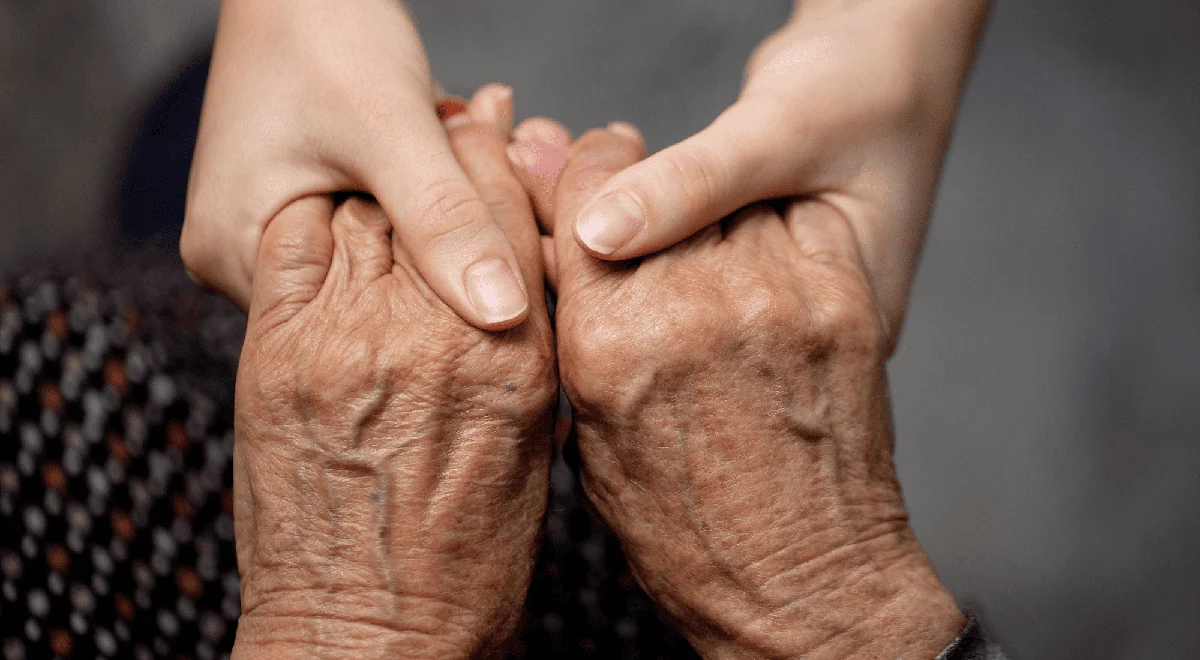

Company at chemotherapy, radiation and follow-up visits, with notes for the family.
Small, frequent meals prepared the way the oncology team or dietitian suggested, for days when appetite is low.
Frequent handwashing, clean kitchen surfaces and fresh linens, the everyday hygiene the care team asks for during treatment.
Help with showering, dressing and getting around on the hardest days after treatment.
A caregiver who knows the oncology team's call-right-away list, including fever during chemotherapy.
What changes at home during cancer treatment?
Treatment reshapes the week. Chemotherapy often follows a cycle, with predictable hard days afterward; radiation can mean a drive every weekday for weeks. Fatigue, nausea, appetite changes and a higher risk of infection are common reasons the oncology team asks families to have someone around more. The National Cancer Institute (NCI) encourages caregivers to accept help with cooking, cleaning, shopping and rides early, before they are worn out.
Many families we talk to are not asking for medical help. The infusion center and the oncology nurses have that covered. They are asking for someone to make soup, change the sheets, and sit with Mom on Thursday when no one can get off work.
How a caregiver helps day to day
- Around the treatment cycle. We schedule more hours on the days after treatment and fewer on the good days, and adjust when the cycle changes.
- Meals. Small, frequent meals and the foods she can tolerate, following any guidance from the oncology dietitian. See Meal Preparation.
- Clean house, clean hands. The CDC advises people getting chemotherapy and those around them to wash hands often. Caregivers wash hands on arrival and before meals, keep the kitchen and bathroom clean, and do the laundry. See Light Housekeeping.
- Personal care on hard days. Help with showering, dressing and getting to the bathroom when she is weak. See personal care.
- Appointments. A caregiver can accompany her to infusion, radiation and follow-up visits, keep her company in the waiting room, and write down what the doctor said for the family.
- Company. Long afternoons on the couch go better with someone to talk to, watch a game with, or sit quietly beside. Our caregivers listen; they are not counselors, and the oncology social worker can connect you with counseling and support groups.
How do we work with the oncology team?
The oncologist, oncology nurses, nurse navigator, social worker and dietitian direct treatment. If the doctor orders it, a home health agency may send a nurse for skilled care at home. We are a non-medical agency: our caregivers do not administer medications, and ports, lines and wound care stay with the nurses.
Ask the oncology team for their call-right-away list and their after-hours number, and we keep both posted in the home. One item is on almost every list: the CDC advises people getting chemotherapy to call the doctor right away for a temperature of 100.4°F (38°C) or higher, even at night. Our caregivers remind your mother to take her temperature when she feels warm, chilled or unwell, and call the family and the number on the list when the plan says to. The American Cancer Society's helpline, 1-800-227-2345, answers questions any time of day or night.
What does a typical starting plan look like?
- Treatment day and the two days after: a caregiver for four to six hours each day, including company at the appointment.
- Other days: a shorter visit for meals and laundry, or none if she is feeling well.
- When nights get hard: overnight care for a week or two at a time.
If treatment shifts to comfort care, we can keep working with your family alongside the hospice team. See support alongside hospice.
Where this happens in our 16 counties
Families from Perry, Juniata and Dauphin counties often drive to the Penn State Cancer Institute in Hershey; families in Lancaster County go to the Ann B. Barshinger Cancer Institute at Penn Medicine Lancaster General Health. Others are treated close to home in York, Reading, Chambersburg or the Lehigh Valley. A long drive on a treatment day is exactly when a caregiver who comes along saves a family member a day off work. In Fulton, Huntingdon and Juniata counties, recurring shifts tied to a treatment calendar are easier to staff than last-minute single visits, so call us as soon as the schedule is set. Our Lancaster County and Dauphin County pages list the local Area Agency on Aging for each county. Request a consultation to plan around the treatment calendar.
Other situations we help with
Alongside hospice
Hospice brings nurses, aides, a social worker and a chaplain, but usually for a few hours a week. The other 160 hours belong to the family. We can carry some of them with you.
Long-distance family
You call every day. You visit when you can. But the weekly drive is not enough anymore, and every unanswered phone call sends your stomach through the floor. You need someone local you can trust.
You need a break (respite)
You have not slept through the night in months. You have canceled your own doctor's appointments twice. You love them and you are running on empty. Respite is not giving up; it is how you keep going.
Meal preparation and feeding assistance
Home-cooked meals that follow the doctor's diet, groceries and a safe refrigerator, and patient help at the table when eating is hard.
Frequently asked questions
Can a caregiver go with my mother to chemotherapy appointments?
What should happen if she gets a fever during chemotherapy?
Does insurance pay for home care during cancer treatment?
Can we schedule help only around treatment days?
Sources
- Information for Patients Who Are Getting Chemotherapy — Centers for Disease Control and Prevention
- Support for Caregivers of Cancer Patients — National Cancer Institute
- Caregivers and Family — American Cancer Society
This article is general information for Pennsylvania families and is not medical, legal, financial, or insurance advice. It's Your Home Care is a non-medical home care agency licensed by the Pennsylvania Department of Health; we do not provide skilled nursing or medical services. Program rules and eligibility change; confirm details with the agency or program named, your physician, or a qualified advisor before making decisions.
Talk to a care coordinator today
Tell us what is happening at home. We will explain your options, including what private pay, long-term care insurance, VA benefits, and Pennsylvania waiver programs may cover, and schedule an in-home care consultation when you are ready.