How to Become an In-Home Caregiver for a Family Member: A Complete Guide


If you’re exploring how to become an in-home caregiver for a family member, you’re not alone. Many families reach a point where aging parents or relatives with chronic conditions need daily support—but hiring outside help may feel overwhelming or financially impossible. Taking on the caregiving role yourself can feel like the most loving, logical option, yet knowing where to begin is often the hardest part.
The good news is that you can become a caregiver for a family member, and in many cases, you may even qualify to be compensated for providing care. This guide breaks down everything you need to know—eligibility, training, payment programs, certifications, legal steps, and where to turn for help—so you can confidently move forward.
In this article, we’ll cover:
- Requirements for becoming a caregiver for a family member
- How family caregivers can get paid in Pennsylvania
State and federal programs that may help
Training and certification options - Legal and financial considerations
- When to partner with a professional home care agency serving Pennsylvania
By the end, you’ll have a clear plan for taking the next step with confidence.
Table of Contents
- What Does an In-Home Family Caregiver Do?
- Step 1: Determine Whether You’re Eligible to Provide Care
- Step 2: Understand Your Options for Getting Paid as a Family Caregiver
- Step 3: Complete Any Required Training or Certifications
- Step 4: Establish a Care Plan
- Step 5: Handle Legal and Financial Matters Early
- Step 6: Prepare Emotionally and Logistically
- Step 7: Know When to Seek Professional Support
- Benefits of Becoming an In-Home Caregiver for a Family Member
- Common Challenges to Prepare For
- How a Home Care Agency Can Help You Become a Caregiver
- Considering Becoming a Caregiver for Your Family Member?
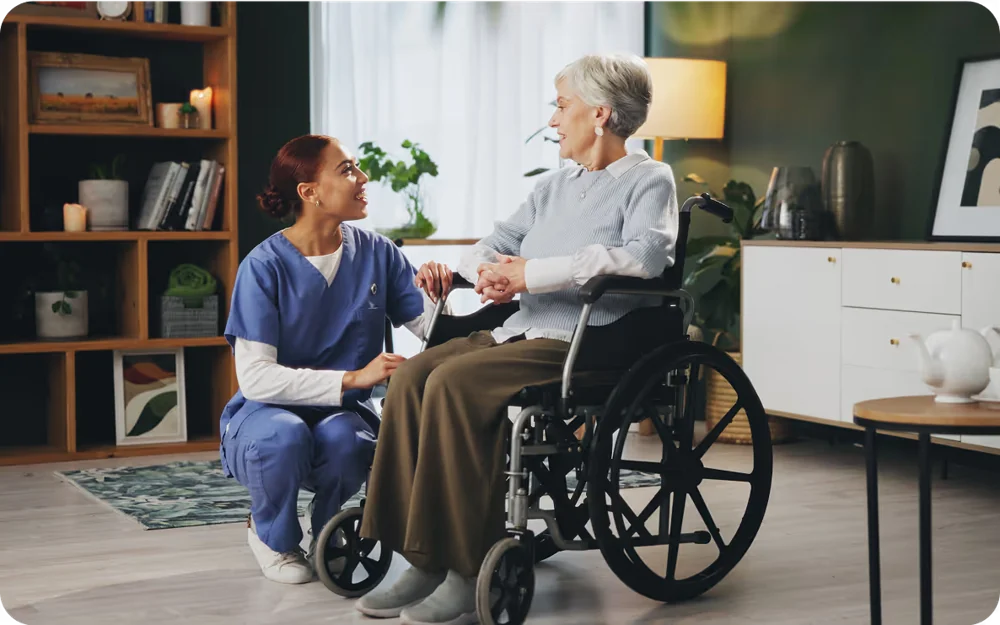
What Does an In-Home Family Caregiver Do?
Before diving into how to become a caregiver, it helps to understand the role. Family caregivers typically assist with:
- Bathing, dressing, and grooming
- Meal Preparation
- Housekeeping and laundry
- Medication Reminders
- Transportation to appointments
- Mobility support
- Companionship
- Dementia or Alzheimer’s care routines
Caregiving responsibilities vary based on your loved one’s physical, cognitive, and emotional needs. Some caregivers provide help a few hours per week, while others take on full-time roles.
Step 1: Determine Whether You’re Eligible to Provide Care
Becoming an in-home caregiver for a family member looks different depending on the program you’re using and the level of care needed. Most states, including Pennsylvania, allow family members to serve as caregivers under certain circumstances.
Eligibility often depends on:
The Loved One’s Needs
They may require assistance with Activities of Daily Living (ADLs) such as:
- Eating
- Bathing
- Dressing
- Toileting
- Mobility
Or Instrumental ADLs (IADLs) like managing medications or preparing meals.
Assessment Requirements
Many state programs require a formal assessment, typically performed by a nurse or case manager, to determine the level of care needed.
Your Relationship to the Person
In Pennsylvania, family caregivers may include:
- Adult children
- Spouses (depending on program)
- Relatives
- Trusted friends (in some cases)
Background Checks
Most caregiver programs require background checks before compensation is approved.
Step 2: Understand Your Options for Getting Paid as a Family Caregiver
One of the biggest questions families ask is: Can I get paid for caring for a family member?
In many cases, yes.
Here are the most common payment options:
Medicaid Waiver Programs (Most Common Option)
For Pennsylvania residents, the Community HealthChoices (CHC) program allows family members to be paid caregivers for eligible adults with disabilities or chronic health conditions.
These programs allow the care recipient to choose who provides their care through participant-directed services, meaning you can be hired and paid for caregiving.
Veterans’ Caregiver Support Programs
If your loved one is a veteran, they may qualify for:
- VA Aid and Attendance Benefit
- Veteran-Directed Care Program
- Program of Comprehensive Assistance for Family Caregivers (PCAFC)
Long-Term Care Insurance
Some long-term care insurance policies reimburse family caregivers if the policyholder meets certain care requirements. Review the policy documents to confirm caregiver eligibility and reimbursement rules.
Private Pay Through a Home Care Agency
Many families choose to work with a licensed home care agency serving Pennsylvania, such as It’s Your Home Care, which can:
- Help navigate Medicaid or waiver enrollment
- Provide training
- Offer ongoing support and supervision
- Assist with paperwork and documentation
- Ensure compliance with state regulations
Step 3: Complete Any Required Training or Certifications
Requirements vary depending on the caregiver program, but you may need:
- CPR/First Aid training
- Basic caregiving skills training
- Alzheimer’s or dementia care training
- Personal care or home health aide training
- HIPAA and safety training
If you partner with a home care agency, much of this training is handled for you.
Step 4: Establish a Care Plan
A care plan helps you stay organized and ensures your loved one gets consistent support. It typically includes:
- Daily routines
- Medication lists
- Emergency contacts
- Medical conditions and instructions
- Mobility considerations
- Safety needs
- Notes from doctors
- Appointment schedules
Agencies like It’s Your Home Care help families create structured care plans, especially when personal care involves bathing or mobility assistance.
Step 5: Handle Legal and Financial Matters Early
Caring for a family member often requires attention to practical, legal, and financial details. Consider addressing:
Power of Attorney (POA)
Helps you manage healthcare or financial decisions if needed.
Advance Directives or Living Wills
Ensures your loved one’s medical preferences are known.
Caregiver Agreements
If you will be paid directly by your loved one, a written contract protects both parties and ensures transparency.
Tax Considerations
In some cases, caregiver income is taxable. A financial professional can help you stay compliant.
Step 6: Prepare Emotionally and Logistically
Providing care for a family member can be deeply rewarding—and emotionally challenging. Preparing ahead helps reduce stress and burnout.
Build a Support System
Reach out to:
- Siblings
- Friends
- Community members
- Local respite care providers
Evaluate the Home Environment
You may need equipment or safety upgrades, such as:
- Grab bars
- Ramps
- Shower chairs
- Bed rails
- Non-slip flooring
Set Realistic Boundaries
Remember:
You cannot pour from an empty cup.
Make time for rest, self-care, and outside relationships.
Step 7: Know When to Seek Professional Support
Even when you’re the primary caregiver, you don’t have to do everything alone. Many families choose to partner with a licensed home care agency for:
- Backup support
- Respite care
- Specialized dementia or Alzheimer’s care
- Personal care tasks
- Transportation
- 24/7 emergency support
Working with an agency like It’s Your Home Care ensures you and your loved one always have access to safe, reliable help from a home care agency serving Pennsylvania.
Benefits of Becoming an In-Home Caregiver for a Family Member
Choosing to care for a loved one at home comes with many advantages:
- Comfort and familiarity for your loved one
- Personalized care based on their needs
- Reduced hospitalizations and improved safety
- More time together and stronger family bonds
- Potential compensation through Medicaid or VA programs
- Flexibility to balance caregiving with other responsibilities
Caregiving is an act of love—and with the right support, it can be sustainable and fulfilling.
Common Challenges to Prepare For
Caregiving can also come with difficulties, including:
- Emotional stress
- Fatigue or burnout
- Unpredictable medical needs
- Financial strain
- Balancing work and caregiving
- Navigating healthcare systems
This is why creating a plan early—and partnering with professionals when needed—can make a significant difference.
How a Home Care Agency Can Help You Become a Caregiver
Partnering with a licensed agency like It’s Your Home Care offers many benefits:
- Assistance applying for Medicaid waiver programs
- Training and skill-building opportunities
- Support creating a personalized care plan
- Guidance with compliance and documentation
- Backup support when you need a break
- Peace of mind knowing you’re not doing this alone
Agencies help ensure both you and your loved one receive consistent, high-quality care.
Considering Becoming a Caregiver for Your Family Member?
Becoming an in-home caregiver for a family member is a meaningful and life-changing decision. Understanding the programs available, the training required, and the resources at your disposal will help you step confidently into the role. Whether you choose to partner with a professional agency or take on the caregiver role independently, support is available every step of the way.
For families across Pennsylvania, It’s Your Home Care offers the structure, training, and compassionate assistance needed to make caregiving safe, sustainable, and successful.
The information provided in this blog post is for educational and informational purposes only. It is not intended as a substitute for professional medical advice, diagnosis, or treatment. Always seek the advice of your physician or other qualified health provider with any questions you may have regarding a medical condition or treatment options.
Talk to a care coordinator today
Tell us what is happening at home. We will explain your options, including what private pay, long-term care insurance, VA benefits, and Pennsylvania waiver programs may cover, and schedule an in-home care consultation when you are ready.